
Hair-Loss & Thinning-Hair Education
What Is Mesh Integration?
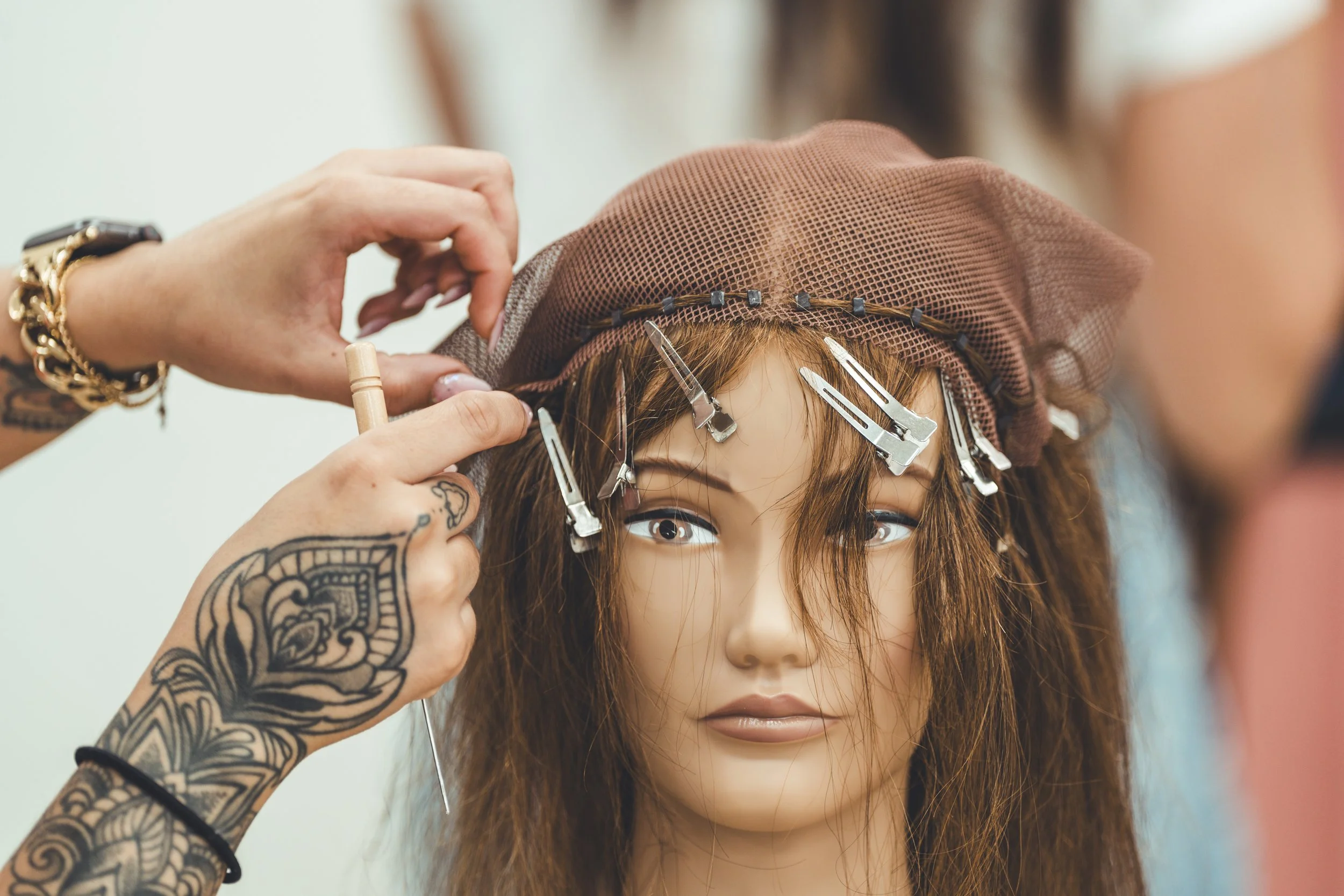
Mesh Integration is a salon-based method that uses a custom, breathable mesh foundation to blend additional hair with a client’s own hair. It is built around assessment, foundation design, customization, and ongoing maintenance rather than a one-size-fits-all install.

Expert Perspective
Perspective from Carissa Maness
Carissa Maness brings 14 years behind the chair and 9 years teaching hairstylists Mesh Integration. Her approach emphasizes assessment, foundation, tension, customization, maintenance, and the professional judgment required when every case does not look the same.
The Method
A customized foundation for clients who may need more than traditional extension placement.
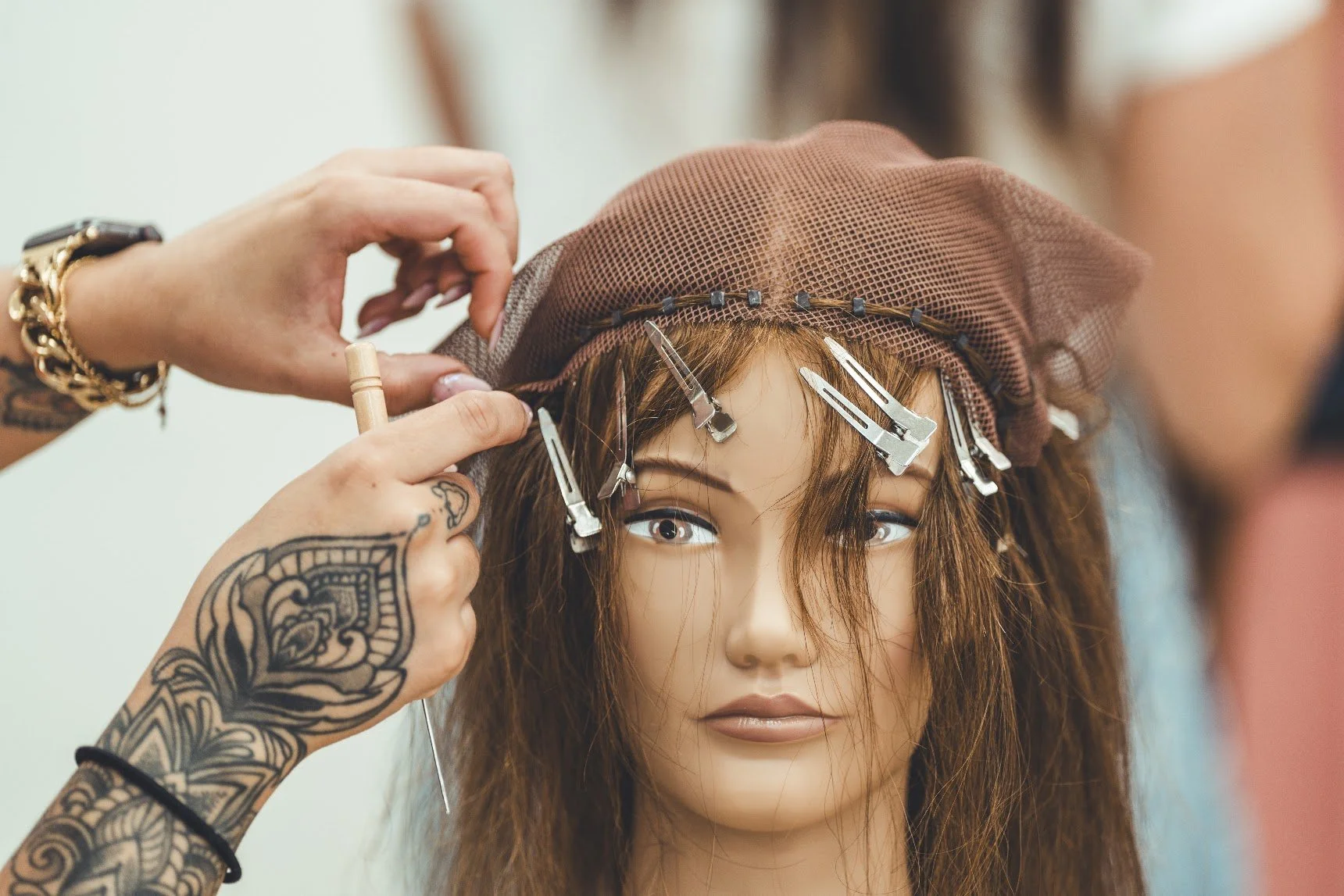
Mesh Integration is a professional hair-replacement technique in which a hairstylist builds a customized mesh foundation around a client’s existing hair and scalp, then integrates additional hair into that foundation to create fuller coverage.
Traditional extensions generally rely on enough healthy, evenly distributed hair to support direct attachment. Mesh Integration is designed around a different starting point: the foundation itself is shaped to the individual client, allowing the stylist to work with more limited or unevenly distributed support hair in some thinning-hair and hair-loss situations.
It is not a medical treatment or a universal answer for hair loss. Candidacy depends on the person, the condition of the hair and scalp, the available support hair, and what a responsible consultation shows.
How It Works
The process begins with the case, not the installation.
The goal is to understand the framework: why assessment, foundation planning, customization, and maintenance all matter before the finished result.
Consultation & Assessment
The stylist looks at density, growth pattern, scalp condition, available support hair, areas needing coverage, and the client’s goals before recommending a method.
Foundation Planning
The mesh foundation is planned around the individual head shape, hair-loss pattern, available support, comfort, placement, and tension considerations.
Hair Integration & Customization
Additional hair is incorporated into the foundation and customized so the finished result works with the client’s existing hair, coverage needs, color, texture, and shape.
Maintenance & Reassessment
As natural hair grows and the fit changes, the service requires ongoing professional maintenance, refitting, removal, and reassessment over time.
Candidacy
Who might consider Mesh Integration?
Mesh Integration may be worth exploring when thinning hair or reduced density makes traditional extension attachment difficult, or when someone wants an integrated salon-service option rather than a removable hairpiece.
It may be worth discussing if you…
- have thinning hair or reduced density in areas where ordinary extension attachment is limited
- want fuller coverage using a customized foundation
- prefer an integrated salon-service approach over a piece you remove daily
- are willing to maintain the service professionally over time
A consultation still matters because…
- not every hair-loss pattern is appropriate for the same method
- the condition of the scalp and existing hair can affect the plan
- comfort, tension, maintenance, and lifestyle have to be considered together
- some concerns should be evaluated by an appropriate medical professional before a stylist proceeds
Ongoing Care
Maintenance is part of the method.
Mesh Integration is not a one-time install. Natural hair continues to grow, the foundation shifts with that growth, and the hair and scalp should be reassessed over time.
Professional maintenance may include checking fit and tension, refitting the foundation, reviewing the condition of the client’s own hair and scalp, and eventually removing, reinstalling, or reconsidering the service as the case changes.
Maintenance timing varies by client, natural hair growth, lifestyle, and foundation design.
How It Compares
Mesh Integration is not the same as extensions, wigs, or toppers.
Traditional Extensions
Traditional extensions generally attach directly to sections of the client’s existing hair, which works best when enough healthy, evenly distributed hair is available to support the attachment.
Wigs
A wig is a removable hairpiece worn over the client’s own hair and scalp rather than integrated into a custom foundation as an ongoing salon service.
Toppers
A topper is a smaller hairpiece used to add coverage or volume to a particular area. It is typically approached differently from a custom mesh foundation.
The important difference is not that one option is automatically “better.” The right approach depends on the person, the available hair, the desired level of integration, maintenance expectations, and professional assessment.
Common Questions
Understanding Mesh Integration
What is Mesh Integration?
How is it different from traditional extensions?
How is it different from a wig or topper?
Who might consider Mesh Integration?
Who might it not be right for?
Is Mesh Integration the same as Meshless Integration?
Do I need a consultation first?
Can hairstylists learn Mesh Integration through CM?
Next Steps
Learn the method professionally — or start with a conversation.
For Hairstylists
Are you a hairstylist?
If you are interested in learning Mesh Integration for thinning-hair and hair-loss clients, the professional Training page goes deeper into assessment, foundation, tension, maintenance, and the mannequin-to-model learning pathway.
For Consumers
Considering Mesh Integration for yourself?
The current consultation booking page is being updated. If you have a question about Mesh Integration or want to know when the consumer consultation pathway is ready, contact CM directly.